The Right Paintbrush for Every Job — A Professional's Guide
Using the wrong brush is one of the most common causes of a poor paint finish. A professional interior painter in Carrickmacross explains which brush to use for every surface and why it matters.
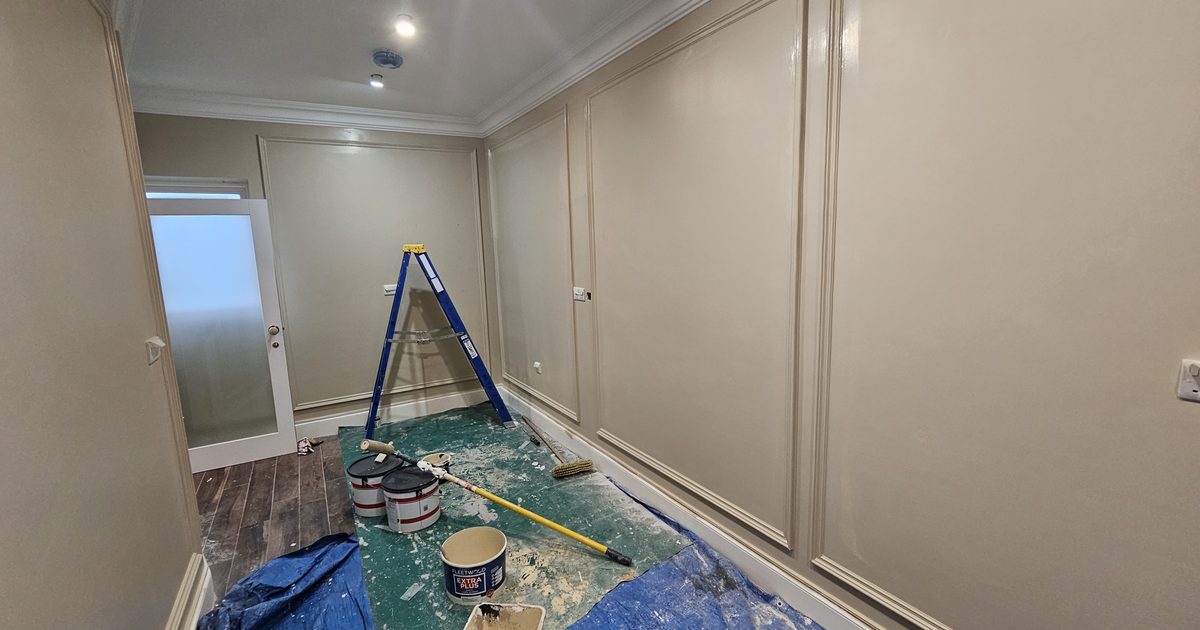
Most people buying paint for a home decorating job in Co. Monaghan grab a brush from the rack without much thought — usually something cheap and somewhere in the middle of the size range. Then they wonder why the finish looks brushy, why edges are ragged, and why the woodwork looks streaky.
The brush matters. Not in the way that the most expensive brush produces a magically perfect finish — but in the sense that using the wrong brush for a job creates problems that skill alone can’t fully overcome.
As a professional interior painter working across Carrickmacross and Co. Monaghan, here’s exactly which brush to use for which job and why.
The Anatomy of a Paintbrush: What Makes One Better Than Another
Before the specific recommendations, it helps to understand what separates a quality brush from a poor one.
Bristle type: Natural bristles (from animal hair — typically hog or ox) are best for oil-based paints and varnishes. They hold more paint and release it smoothly. They should not be used with water-based products — the water causes natural bristles to swell and lose their shape.
Synthetic bristles (nylon, polyester, or a blend) are the correct choice for water-based products — the vast majority of modern interior paints. Quality synthetic brushes can now rival natural bristle performance for most tasks.
Bristle density: More bristles packed into the ferrule (the metal band) means the brush holds more paint and releases it more evenly. Cheap brushes have sparse bristles and produce a streaky, thin application.
Tip quality: Quality brushes have tapered, split-end bristles (called “flagged” tips) that help spread paint smoothly and reduce visible brush marks. Cheap brushes have blunt, even tips that drag and leave marks.
The ferrule: A solid metal ferrule that holds the bristles firmly prevents shedding — the frustrating phenomenon of bristles ending up in your finished paintwork.
Decent quality brushes to look for: Hamilton Perfection, Purdy Clearcut, Wooster Shortcut, or similar professional-grade ranges available in builders’ merchants across Monaghan.
Cutting-In Brush (Angled Sash Brush): 25-50mm
Used for: Painting edges — along coving, ceiling lines, in corners, around door frames and window frames, and along skirtings. Any area where you need a controlled, precise line rather than full wall coverage.
An angled sash brush is the most important brush in a decorator’s kit. The angled tip allows paint to be applied precisely at an edge, with the bristles directed by the angle rather than requiring you to hold the brush at an awkward angle yourself.
Size selection: 25mm for very tight corners and detailed work; 50mm for general cutting in along coving and ceiling lines; 38mm is a good compromise that handles most cutting-in tasks.
Quality here is worth paying for. A cheap cutting-in brush with poor flagged tips will leave a ragged edge no matter how steady your hand. A quality brush with fine, well-flagged synthetic bristles will give you a line you’d be happy to show anyone.
Wall and Ceiling Brush: 75-100mm
Used for: Applying paint to large flat areas — particularly where a roller isn’t practical (small areas, around obstacles) or for the first coat on very uneven surfaces where a brush gives better penetration.
For general wall painting in most rooms, a roller is faster and more consistent than a brush. But for small rooms, large areas of cutting in, or where a roller would be awkward, a large flat brush (75 or 100mm) is the right tool.
A quality 100mm flat brush from Hamilton or similar holds a significant amount of paint and, used with good technique, can produce a finish not far behind a roller on reasonably smooth walls.
Skirting Brush: 50-65mm Flat
Used for: Skirtings, architraves, and door frames. The areas where you need good coverage on a moderate width of woodwork but more control than a large brush offers.
A 50-65mm flat brush — not angled — is the standard for woodwork. Load it moderately, apply along the length of the skirting in long, even strokes, and finish with light strokes in one direction. This “laying off” technique removes any brush marks left during application.
Door and Panel Brush: 75mm Flat
Used for: Painting door panels, larger areas of woodwork, and any surface that needs a flat brush rather than an angled one for maximum coverage.
Painting doors has its own sequence — panels first, then rails (horizontal sections), then stiles (vertical sections). Using a quality 75mm flat brush with good laying-off technique produces a smooth, mark-free result on doors.
Radiator Brush
Used for: Getting behind radiators to paint the wall section that’s inaccessible to a standard brush or roller.
A long-handled, thin brush designed to reach the narrow gap between radiator and wall. Not every decorator carries one — some use a small angled brush on a stick or a specialist tool. But if you’re painting the wall behind a radiator properly, you need something to reach back there. More on this in our guide on how to paint around radiators, sockets and switches neatly.
Care and Cleaning
Good brushes last for years when properly cared for. Poor care ruins even the best brush.
For water-based paints: Rinse under warm running water immediately after use, working the paint out from the ferrule down through the bristles. Use a small amount of washing-up liquid if needed. Rinse until water runs clear. Reshape the bristles and hang to dry or store flat.
For oil-based paints: Clean with white spirit, working it through the bristles thoroughly, then wash with warm soapy water. Rinse and reshape.
Never leave brushes standing on their bristles in water or solvent — this bends and ruins the bristle shape permanently. Never let paint dry in a brush.
Proper tool care is part of what makes professional work consistent. For more on the techniques and habits that separate professional results from DIY ones, read our guide on how to get a flawless paint finish. For our full interior painting service across Carrickmacross and Co. Monaghan, visit our interior painting service page.
Looking for a professional interior painter in Carrickmacross or Co. Monaghan? Call or WhatsApp Mark today: 0879197709. Free quotes.
Need professional interior painting services in Carrickmacross?