How to Get a Flawless Paint Finish — Tips from a Professional
A truly flawless paint finish doesn't happen by accident. A professional decorator in Carrickmacross, Monaghan shares the techniques and habits that separate amateur results from professional ones.
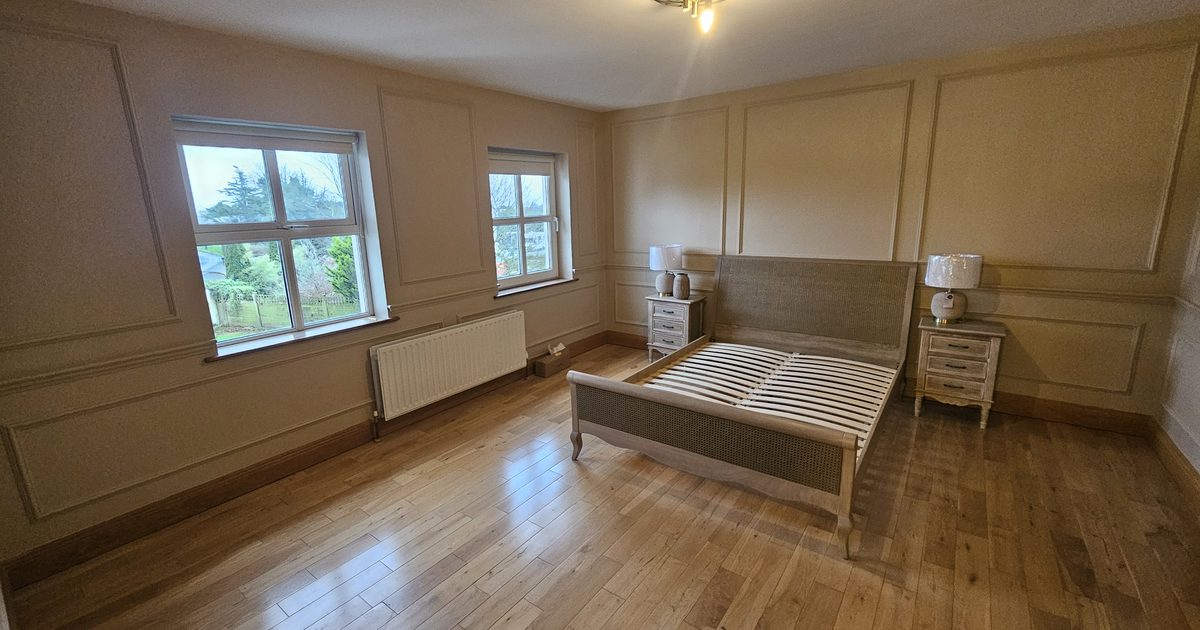
There’s a recognisable quality to a professionally painted room that’s hard to define but easy to see. The walls look smooth and even. The lines between wall and ceiling are sharp. The woodwork is clean and consistent. There are no brush marks, no laps, no drips. It looks effortless — which is exactly what makes it hard to replicate without the right technique.
As a professional painter and decorator covering Carrickmacross and Co. Monaghan, here are the habits and techniques that produce that result every time.
It Starts With Preparation — Always
Every conversation about a flawless finish has to start with preparation, because no amount of skill in application will compensate for a poorly prepared surface. Paint doesn’t hide imperfections — it highlights them.
Before any paint touches the wall:
- Fill every hole, crack, and dent — even small ones you think won’t matter
- Sand all repairs flush and feather the edges into the surrounding surface
- Lightly sand the whole wall to remove any bumps, drips from previous paint jobs, or surface roughness
- Remove all dust with a tack cloth or slightly damp cloth — painting over sanding dust causes poor adhesion and a rough texture
- On new plaster, apply a proper mist coat and allow it to dry fully before any finish coat
The time you spend on preparation directly determines the quality of the finish. This is not an area where shortcuts pay off. Read our companion guide on the hidden prep work that makes a professional finish for more detail on this stage.
Use Quality Tools
The quality of your tools matters more than most people realise. A cheap brush leaves brush marks. A poor quality roller leaves stipple and lint. A professional finish requires professional tools.
For cutting in (edges, coving, woodwork lines): A good quality 25-50mm angled sash brush — Purdy, Hamilton Perfection, or similar. The quality of the bristles determines how well the brush holds paint and releases it in a controlled way. Cheap bristles splay and leave marks.
For walls and ceilings: A medium pile roller (10-12mm) gives the best combination of coverage and surface texture for most interior walls. Short pile (6mm) for very smooth surfaces. Long pile (15mm+) for textured surfaces.
For woodwork: A 50mm flat brush for large sections, a 25mm brush for skirtings and architraves, and a small 15mm brush for getting paint into corners and profiles. Keep these separate from your wall brushes.
Replace rollers when they start to shed fibres. A roller that leaves lint in the paint creates a finish that has to be sanded back and redone.
Master the Cut-In First Approach
The sequence of work within each coat matters. Always cut in first — paint the edges, corners, around the ceiling, around the woodwork — with a brush before rolling the main wall area.
The reason: when you cut in a section and then immediately roll back into it while the cut-in paint is still wet, you get a seamless blend between brushed and rolled areas. If you cut in the whole room and then come back to roll, the edges have dried and you get a visible difference in texture and sheen between the brushed edge and the rolled field.
Work in manageable sections — one wall at a time, or half a wall in a large room — cutting in and rolling back while wet.
Maintain a Wet Edge
One of the most important techniques in wall painting — and one of the hardest to develop as a habit — is maintaining a wet edge.
When you apply paint to a wall, the edges of your painted area begin drying almost immediately. If you come back and paint over a section that has partially dried, you get a lap mark — a visible ridge or difference in sheen where the new wet paint overlaps the partially dried edge.
To avoid this: always work quickly enough that the edge of your painted section hasn’t dried before you continue from it. Work across the wall in a consistent direction, keeping the outer edge wet. Don’t stop in the middle of a wall if you can avoid it.
Apply Thin, Even Coats
Thick coats of paint look uneven, sag, and take much longer to dry properly. Two thin, even coats will always give a better result than one thick one.
Load your roller or brush with a moderate amount of paint — enough to work with but not so much that it’s dripping or running. Apply with even pressure in a consistent pattern. On walls, a W or M pattern with the roller followed by light finishing strokes in one direction gives an even film.
Between coats, allow full drying time. Rushing a second coat over a first that hasn’t dried is one of the most reliable ways to produce a poor finish — dragging, lifting, and uneven coverage.
Pay Attention to Lighting
Work under good light. The best way to catch imperfections, holidays (missed spots), and uneven coverage is to look at the surface in raking light — a light source coming from the side at a low angle, which reveals every bump, ridge, and thin area.
A work light held at the side of the wall during and after each coat will show you things you’d never see under overhead lighting. Don’t skip this check.
The Final Inspection and Touch-Up
Before packing up on any job, do a final walk around the room under both raking light and normal lighting. Look for:
- Any holidays — areas where the paint is thin or missed entirely
- Any drips or runs that need sanding back and repainting
- Any ragged lines at coving, ceiling, or woodwork edges
- Any areas where the finish looks different in sheen or texture
Small touch-ups done on the day are invisible. Touch-ups done days later (when the main paint has fully hardened) can be noticeable because the paint hasn’t had the same amount of time to cure and the sheen level may differ slightly.
For the full picture of our decoration work across Carrickmacross and Co. Monaghan, visit our full finish and decoration service page. And to understand how these techniques relate to the overall sequence of a full room decoration, read the right order to decorate a room from start to finish.
Looking for a professional finish on your home in Carrickmacross or Co. Monaghan? Call or WhatsApp Mark today: 0879197709. Free quotes, genuine craftsmanship.
Need professional full finish & decoration services in Carrickmacross?