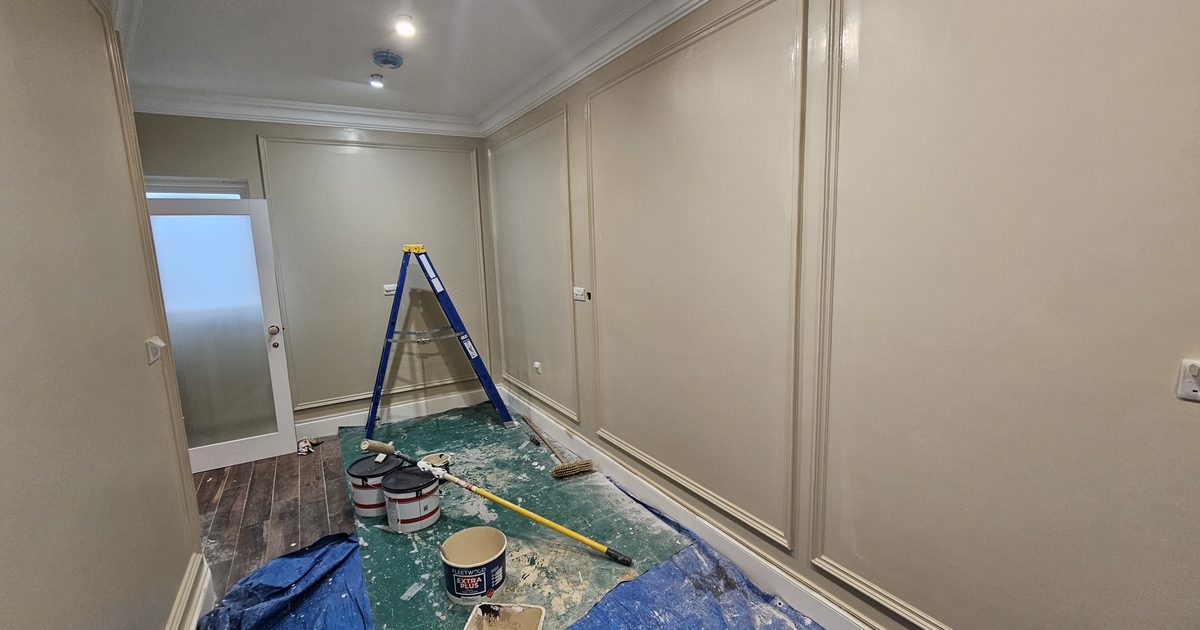
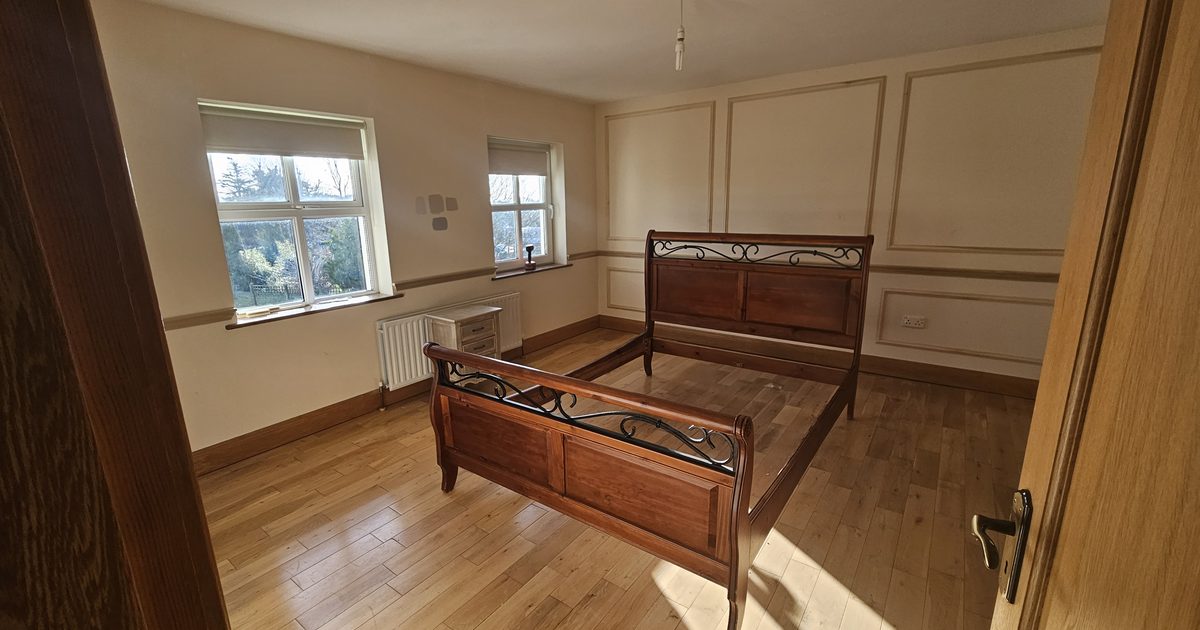
Painting New Plaster — What Every Homeowner Must Know
Painting directly onto new plaster is one of the most common and costly mistakes in home decorating. A professional painter in Carrickmacross explains exactly what to do and why.
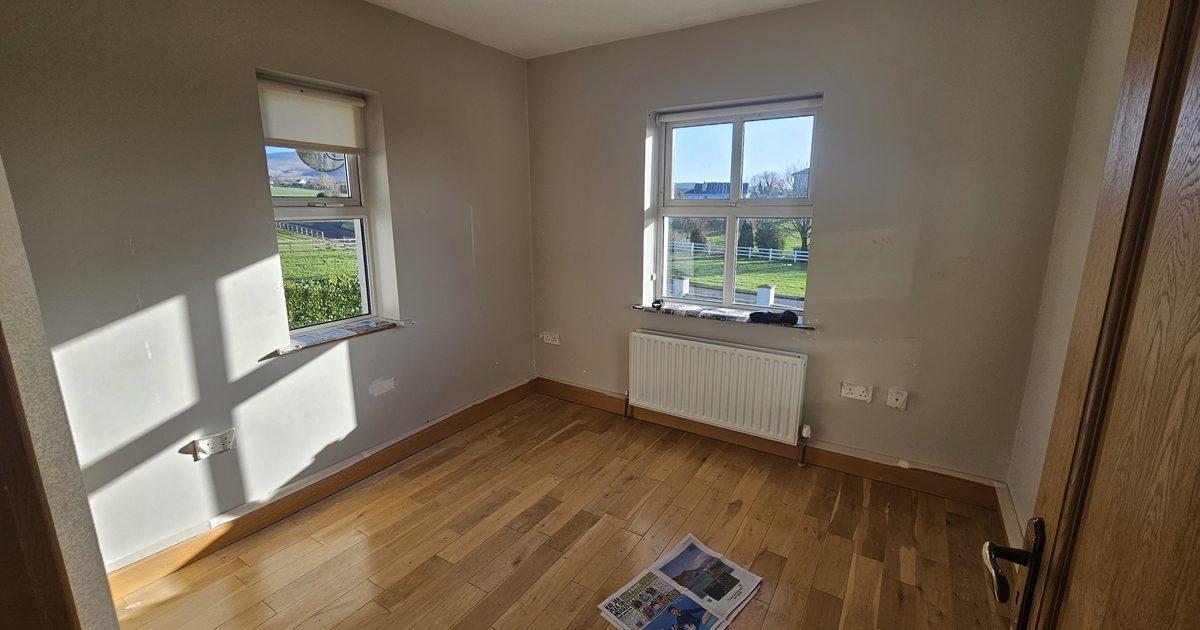
Fresh plaster looks smooth, clean, and ready to paint. It isn’t. Painting directly onto new plaster without the correct preparation is one of the most common — and most avoidable — mistakes in home decorating. I’ve seen it countless times across Carrickmacross and Co. Monaghan: homeowners who’ve spent good money on new plaster, rushed straight to the finish coat, and ended up with paint that flakes, peels, or looks patchy within months.
Here’s everything you need to know to avoid that situation.
Why New Plaster Is Different
New plaster is highly porous and alkaline. It’s essentially hungry — it will absorb paint rapidly and unevenly. If you apply a full-strength emulsion directly to new plaster, several things can happen:
- The paint dries too quickly in places where it’s absorbed into the plaster, leaving uneven sheen and patchy coverage
- The surface can’t breathe properly as it cures, which can cause the paint film to bubble and peel
- The paint doesn’t bond properly, meaning it will lift and flake as the plaster continues to dry
The alkalinity of fresh plaster can also react with some paints, causing efflorescence (white salt deposits appearing on the surface) or discolouration.
How Long Does New Plaster Need to Dry?
This depends on the thickness of the plaster, the room temperature, and the ventilation. As a general rule:
- Thin skim coat: minimum 2-4 weeks
- Full re-plaster (backing coat + skim): minimum 4-6 weeks, sometimes longer
Plaster changes colour as it dries — going from dark pink/terracotta when wet to a uniform pale pink/cream when fully dried. Do not start painting until the entire surface has reached a consistent pale colour. Dark patches mean the plaster is still damp.
Trying to speed up the process with portable heaters can cause the plaster to dry unevenly and crack. Good ventilation — open windows, air circulation — is more effective than heat.
What Is a Mist Coat?
A mist coat is diluted emulsion paint applied as the very first coat on new plaster. It’s called a mist coat because it’s thin enough to spray like a mist — though in practice most painters apply it with a roller.
The ratio: Typically 70-80% paint to 20-30% water. Use a cheap white or light-coloured emulsion — it doesn’t need to be the same paint you’re using for your finish coats, though it should be a similar tone. Don’t use vinyl silk or gloss-based paint as your mist coat.
How to apply it: Roll it on evenly, working in sections. It will look patchy and thin — this is normal. You’re not trying to achieve coverage. You’re sealing the plaster and creating a key for the finish coats to bond to.
Drying time: Allow the mist coat to dry fully — typically 24 hours — before applying your first finish coat.
After the Mist Coat
Once your mist coat is fully dry, the surface will feel slightly rough. This is normal and actually good — it provides the “tooth” that your finish coats need to grip.
You may notice some surface imperfections become visible after the mist coat that weren’t obvious on bare plaster. This is the time to fill and sand any small cracks or holes that have appeared. Better to deal with them now than after your finish coats are on.
From here, follow the standard process: two full finish coats, allowing adequate drying time between each. Read our guide on how many coats of paint a room really needs for more detail on this stage.
What About Specialist New Plaster Primers?
Several paint brands make dedicated new plaster primers — Dulux, Crown, and Zinsser all produce products specifically for this purpose. These are worth considering if:
- You want to use a coloured finish coat (rather than white) and want better coverage from the start
- You’re in a hurry and the plaster hasn’t fully cured (though this is not ideal)
- You’re applying an oil-based product or a particularly pigment-heavy colour
For most standard interior jobs in Monaghan, a proper mist coat using diluted trade emulsion is sufficient and more cost-effective than a specialist primer.
Common Mistakes to Avoid
Using neat (undiluted) emulsion as a first coat. It won’t soak in properly, will drag and look patchy, and the bond will be poor.
Painting before the plaster is fully dry. Even if it looks dry on the surface, damp plaster underneath will cause problems. Be patient.
Using vinyl silk as a mist coat. The vinyl content prevents the paint from being absorbed into the plaster. Always use a standard emulsion for mist coats.
Skimping on the prep stage. Read our full guide on how to prepare walls before painting — even new plaster needs attention before finish coats go on.
The Broader Context: Full Finish Decorating
Painting new plaster is a key part of any new build or full renovation project. It fits into the wider process we cover on our full finish and decoration service page — including the correct order for decorating a room from start to finish.
Getting this right means your finish looks better immediately and lasts significantly longer. Done properly, a well-painted new plaster wall in a Monaghan home should look fresh for 7-10 years.
Need a professional painter in Carrickmacross or Co. Monaghan who knows how to handle new plaster properly? Call or WhatsApp Mark today: 0879197709. Free quotes.
Need professional interior painting services in Carrickmacross?