How Many Coats of Paint Does a Room Really Need?
One coat or three? A professional painter in Monaghan explains exactly how many coats of paint you need and why cutting corners costs you in the long run.
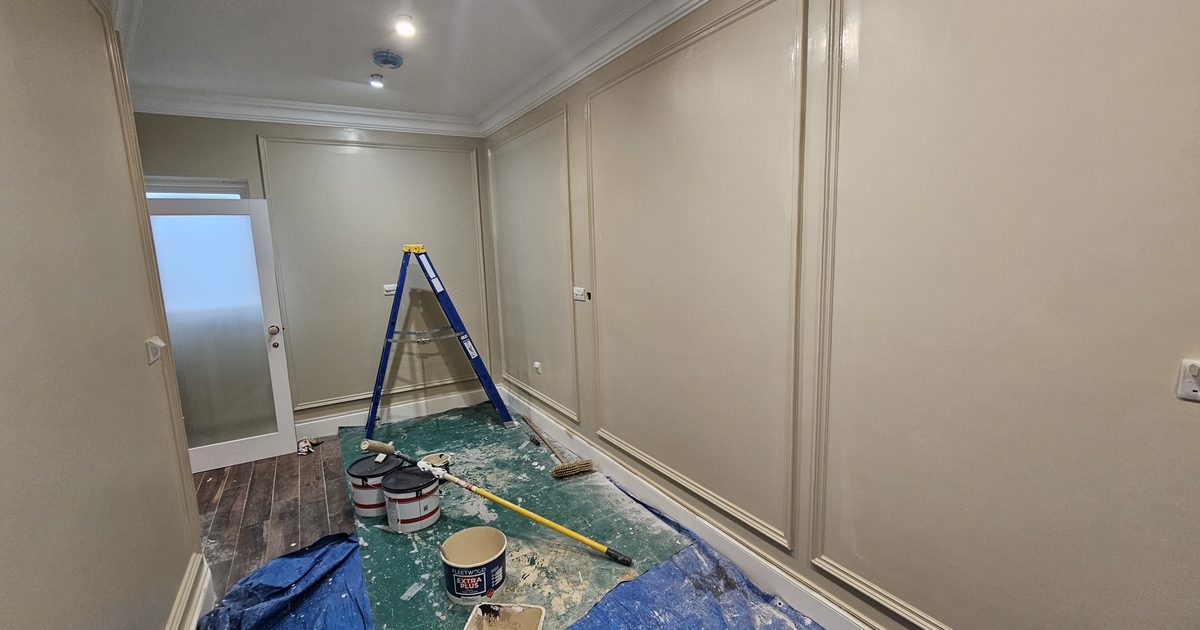
It’s one of the most common questions homeowners ask before a painting job: how many coats do I actually need? The honest answer is — it depends. But in most cases, one coat is never enough, and the difference between a two-coat and three-coat finish is dramatic.
As a professional painter serving Carrickmacross and across Co. Monaghan, here’s the full picture.
Why One Coat Is Almost Never Enough
Paint is designed to be applied in thin, even layers. A single thick coat doesn’t work the same way — it can sag, take longer to dry, and still won’t give you the coverage or durability of two thinner coats.
Even so-called “one-coat” paints rarely live up to the claim on a typical Irish interior wall. They work best on surfaces that are already in excellent condition with a very similar existing colour. In practice, that’s not most rooms.
The Standard: Two Finish Coats
For most interior walls in good condition, with a similar background colour, two finish coats will give you a solid, professional result. This assumes:
- The surface has been properly prepared (filled, sanded, cleaned)
- The first coat is fully dry before the second is applied
- You’re using a quality paint — not the cheapest option on the shelf
Two coats gives good depth of colour, covers minor imperfections, and provides a durable surface that will last years with basic care.
When You Need Three Coats or More
There are situations where two coats won’t cut it:
Going from dark to light. Covering a deep charcoal or dark navy with a pale cream? You may need a specialist stain block or primer first, followed by two finish coats. Without this, the dark colour bleeds through and you end up with a patchy, uneven result no matter how many coats you apply.
New plaster. Fresh plaster is porous and thirsty. It needs a mist coat first (heavily diluted paint that soaks into the plaster and creates a key), followed by two full finish coats. Skip the mist coat and your paint will flake and peel within months. We go into this in detail in our guide to painting new plaster.
Problem walls. Stained walls, water damage marks, or nicotine-stained surfaces need a proper stain-blocking primer before any finish coat. Without it, the stains will keep bleeding through no matter how many times you paint over them.
Intense or difficult colours. Deep reds, bright yellows, and some vibrant blues are notoriously difficult to achieve good coverage with. These often need a tinted primer base plus two or even three finish coats to look right.
The Role of Primer and Undercoat
Primer and undercoat are not the same as finish paint, and they’re not optional extras — they’re the foundation of a quality job.
Primer seals the surface and helps paint adhere. Essential on bare plaster, raw wood, and MDF.
Undercoat builds opacity and creates a uniform base, especially useful when making dramatic colour changes.
Read the difference in more detail in our full finish and decoration guide.
Does Paint Quality Affect Coverage?
Absolutely. A premium paint like Dulux Trade Vinyl Matt, Crown Trade, or Farrow & Ball will cover better in two coats than a budget paint will in three. The difference is the pigment load and the quality of the binder.
Cheap paint is a false economy — you end up using more of it, spending more time on the job, and getting a worse result. We cover the best options in our guide to the best paint brands available in Ireland in 2025.
What Professional Painters Actually Do
When I take on an interior painting job in Carrickmacross or across Monaghan, here’s the typical process:
- Preparation — fill holes, sand, clean surfaces, mask off woodwork
- Mist coat or primer if required
- First finish coat — even application, working edge to edge
- Light sand between coats if the surface needs it
- Second finish coat — final, careful application for a clean result
This is what creates a finish that looks genuinely professional rather than something done on a Saturday afternoon. The difference is in the prep and the patience — not just the number of coats.
The Bottom Line
For a standard room redecoration in good condition: two coats. For new plaster: mist coat + two finish coats. For major colour changes or problem surfaces: primer/stain block + two finish coats.
Cutting corners on coats is one of the most common decorating mistakes homeowners make — and one of the easiest to avoid.
Need a professional painter in Carrickmacross or Co. Monaghan who does the job properly? Call or WhatsApp Mark today: 0879197709. Free quotes, no shortcuts.
Need professional interior painting services in Carrickmacross?