How to Paint a Room When You Still Have Furniture In It
Not everyone can fully empty a room before decorating. A professional decorator in Carrickmacross explains how to paint around furniture safely without damaging your belongings or compromising the result.
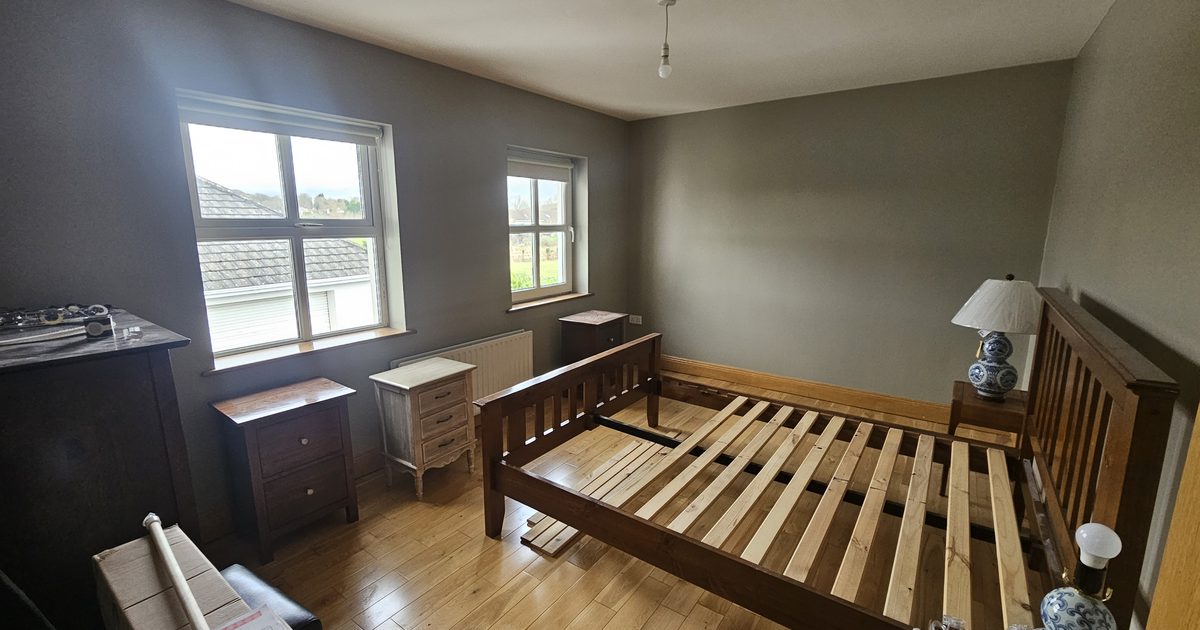
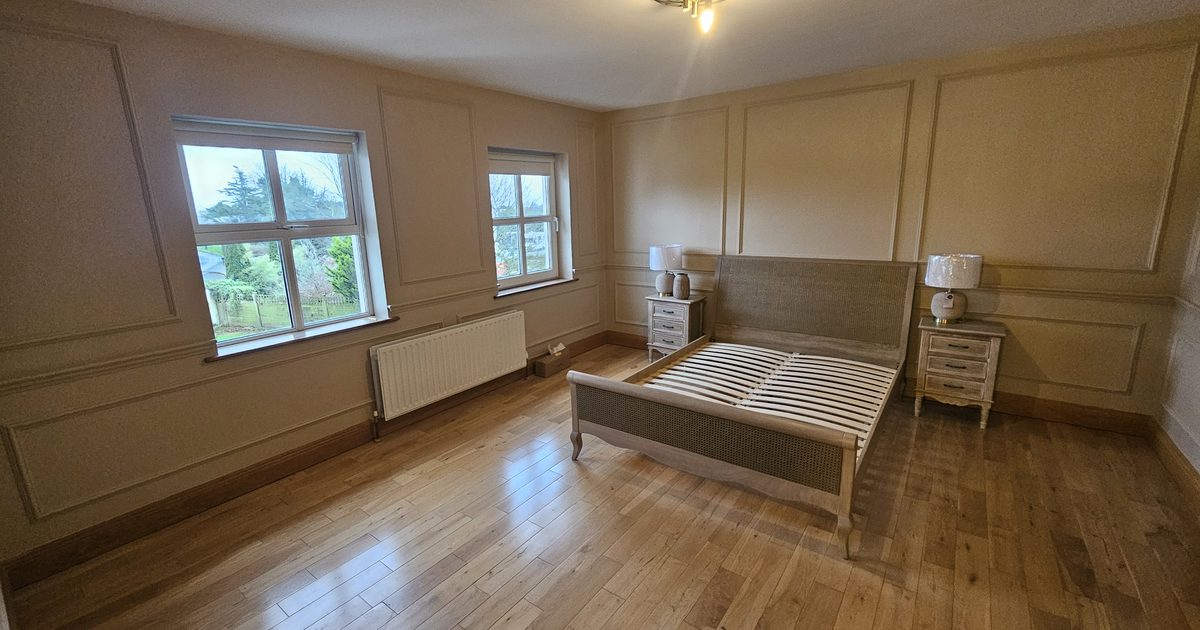
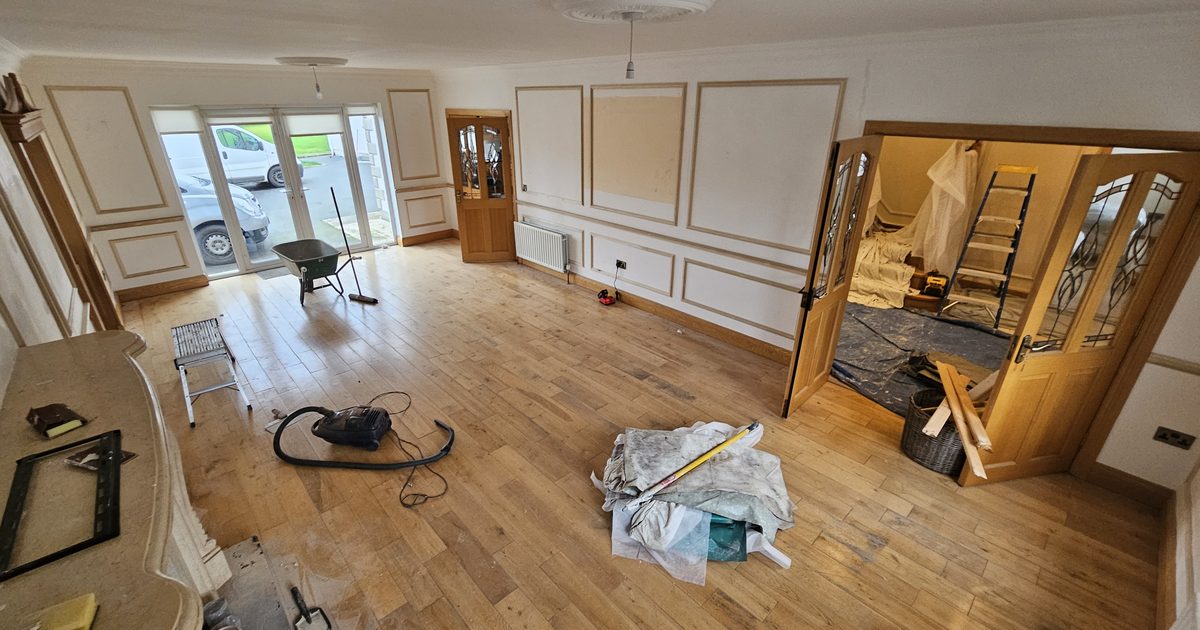
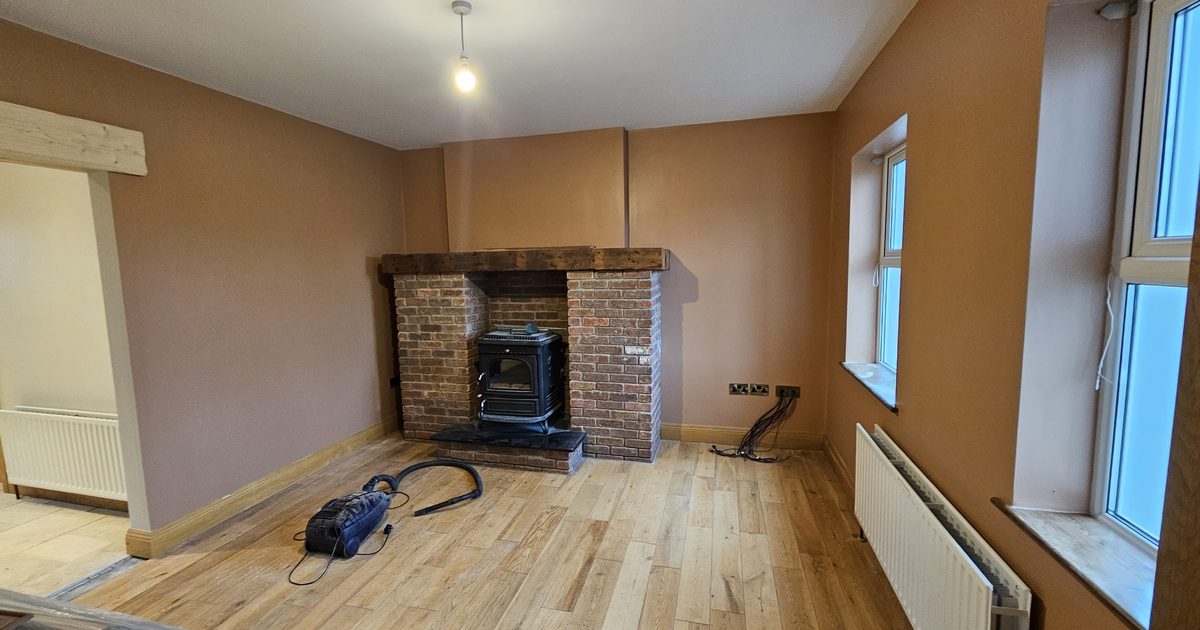
The ideal scenario for any paint job is a completely empty room — nothing to protect, unrestricted access to every wall, freedom to move around without obstacles. In practice, most rooms being decorated in lived-in homes in Co. Monaghan still have some or all of their furniture in them. Beds can’t always be moved to another room, dining tables are heavy and awkward, and living room sofas require two people and considerable effort to shift.
The good news is that painting around furniture, done correctly, produces results that are just as good as painting an empty room — it just takes a little more care and a clear system.
The Goal: Maximum Access, Minimum Risk
The two objectives when painting with furniture present are:
- Get the furniture as far from the walls as possible so you can work freely
- Protect everything that isn’t being painted from drips, splatter, and accidental contact
Neither objective requires the furniture to leave the room entirely.
Step 1: Move Everything to the Centre
Everything that can be moved should be moved to the centre of the room — away from the walls and as far from the painting area as possible. Even heavy items that can’t leave the room can usually be shuffled to the middle.
Group items together rather than leaving them scattered. One large central island is easier to work around and cover than multiple small pieces of furniture spread across the room.
Step 2: Cover Everything Thoroughly
Dust sheets over all furniture in the centre of the room. Use proper cotton or polycotton dust sheets rather than cheap plastic ones — plastic sheets don’t breathe, can trap moisture, and are slippery underfoot. A plastic sheet that moves and shifts is a trip hazard.
Secure the dust sheets so they won’t be disturbed by movement around the room. Tuck corners under furniture legs if possible.
Pay particular attention to:
- Upholstered furniture — sofas and chairs absorb paint splatter and are difficult to clean
- Electronics — TVs, computers, stereo equipment
- Items on shelves that can’t be moved — pack them into boxes or cover the entire shelf unit with a sheet
Step 3: Floor Protection
Lay dust sheets on the floor extending from the walls to beyond the furniture pile. Overlap sheets at joins so there are no gaps.
Tape the edge of the dust sheet closest to the skirting to the floor with masking tape or low-tack decorator’s tape. This prevents the sheet from shifting as you move around the room and exposes the skirting area.
Step 4: Work in Sections
With furniture in the room, work on one wall at a time — move any item that’s against the wall you’re about to paint further toward the centre, paint that wall, allow to dry, then move on to the next wall.
Don’t try to paint all four walls simultaneously. The benefit of the section-by-section approach is that each wall is freshly accessible when you come to it, and furniture isn’t being shuffled across wet dust sheets.
The Areas Most Affected
Behind large furniture: A heavy wardrobe or chest of drawers that can’t be moved away from the wall presents the biggest challenge. In this situation, paint as far behind it as you can reach with an angled brush — typically 15-20cm each side and above. The areas hidden directly behind the item don’t strictly need to be painted to the same standard as visible walls, but the visible edges on both sides absolutely do.
Tight corners with furniture: A sofa or armchair that can only be moved a few inches from the wall makes cutting in along the skirting behind it difficult. A long-handled small brush or a bent brush handle can help reach into tight corners.
What Takes Longer With Furniture Present
Be realistic about the additional time involved. A room with furniture takes 20-30% longer to paint than an empty room — the furniture movement, additional protection time, and working around obstacles all add up. If you’re hiring a professional, this additional time will be reflected in the quote for a furnished room.
For more on the overall sequence of a decoration project, read our guide on the right order to decorate a room from start to finish. For the full decoration service across Carrickmacross and Co. Monaghan, visit our full finish and decoration service page.
Need a room decorated around your furniture in Carrickmacross or Co. Monaghan? Call or WhatsApp Mark today: 0879197709. Free quotes, careful and tidy work.
Need professional full finish & decoration services in Carrickmacross?