How to Seal New Plaster Before Painting
Sealing new plaster correctly is the most important step in any new build or replastered room decoration. A professional painter in Carrickmacross explains the correct process and the consequences of getting it wrong.
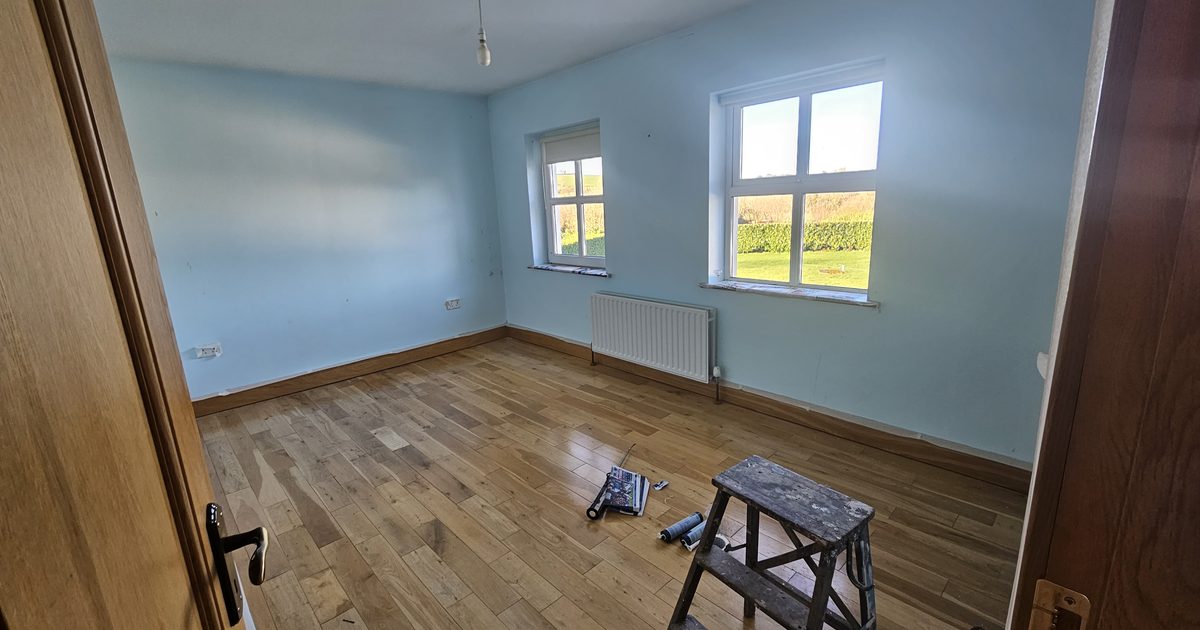
Sealing new plaster is a step that’s easy to rush and expensive to get wrong. In the excitement of a new build or a freshly replastered room in Co. Monaghan, the temptation is to get paint on walls and the room looking finished as quickly as possible. Giving in to that temptation — skipping or shortcutting the sealing stage — is one of the most reliable ways to end up with a paint job that looks poor and fails prematurely.
Here’s the correct approach.
Why New Plaster Must Be Sealed
Fresh plaster is porous in a way that no previously painted surface is. The gypsum and calcium sulphate in the plaster absorb moisture — including the moisture in paint — rapidly and unevenly.
If you apply full-strength emulsion directly to unsealed new plaster, several things happen:
- The paint is absorbed so quickly that it begins to dry before it can flow and level properly, leaving a patchy, streaky finish
- The film that forms is thin and poorly bonded because the paint has been drawn in rather than sitting on top of the surface
- The plaster surface can’t breathe properly as it continues to cure, which can cause the paint film to bubble and eventually flake
- The result is a finish that looks poor from day one and deteriorates quickly
Proper sealing prevents all of this by filling the surface pores before the finish coats are applied.
The Mist Coat: The Standard Sealing Method
The mist coat is the industry-standard method for sealing new plaster before painting. It’s simple in principle: diluted emulsion paint, applied in a thin, soaking-in coat that seals the surface and provides a key for finish coats.
How to prepare a mist coat: Mix white or light-coloured standard emulsion with water at a ratio of approximately 3 parts paint to 1 part water (75:25). Some decorators go up to 70:30. The paint should be noticeably thinner than normal — it should run off a brush rather than drip.
Do not use vinyl silk or any gloss-based product for a mist coat. The vinyl or alkyd content prevents proper absorption. Use a standard, vinyl-free emulsion or a dedicated new plaster primer.
Application: Roll or brush the mist coat onto the fully cured, dry plaster. It will look thin and patchy — this is correct. You’re not trying to achieve coverage at this stage. You’re sealing the surface.
Work quickly. The mist coat will be absorbed very rapidly on new plaster. Keep a wet edge and don’t go back over areas that have started to dry.
Drying time: Allow a minimum of 24 hours before applying the first finish coat. The mist coat needs to be fully dry and the plaster needs to have had time to finish gassing off any remaining moisture.
Is the Plaster Ready?
Before you apply anything — mist coat or otherwise — the plaster must be fully cured and dry. This is a common point of failure.
New plaster is dark pink or terracotta when wet. As it dries and cures, it becomes progressively paler — eventually reaching a uniform, pale, slightly pink-cream colour throughout. Do not start sealing until the entire surface has reached this pale, consistent colour. Dark patches mean damp plaster, and painting over damp plaster — even with a mist coat — causes problems.
Drying time depends on the thickness of the plaster, the room temperature, and the ventilation:
- Thin skim coat over existing plaster: 2-4 weeks minimum
- Full re-plaster (backing coat plus skim): 4-6 weeks minimum, sometimes more in winter or poorly ventilated rooms
Don’t rush this. A portable heater on full blast next to a wet wall is not an acceptable substitute for patience and ventilation.
What Happens After the Mist Coat
Once the mist coat is fully dry, the surface will feel slightly rough — like fine sandpaper. This roughness is the “tooth” that helps your finish coats grip. It’s a good sign.
At this point, inspect the surface under a raking light. Small cracks or surface imperfections that weren’t obvious on bare plaster often become visible after the mist coat. Fill and sand any that need attention, then spot prime the repairs.
From here, apply two full finish coats of emulsion in your chosen colour, allowing full drying time between each coat. See our guide on how many coats of paint a room really needs for more on the finish coat stage.
Specialist New Plaster Primers
As an alternative to the DIY mist coat approach, several paint brands offer dedicated new plaster primers — products specifically formulated to seal and stabilise new plaster surfaces before finish coats.
Dulux Trade Plaster Sealer, Crown Plaster Sealer, and similar products are applied at full strength (no dilution) and offer a consistent, controlled result. They cost more than mixing up a mist coat from standard emulsion, but they’re particularly useful when:
- You’re using a coloured finish coat and want better coverage from the first coat
- The plaster is particularly porous or inconsistent
- You want a more controlled, predictable first stage
Common Mistakes
Applying mist coat to damp plaster. Even if the surface looks pale, press a piece of kitchen paper against the wall — if moisture transfers, the plaster is still damp.
Using neat emulsion as a first coat. It sits on top of the surface rather than soaking in, giving a poor bond.
Not allowing enough drying time between mist coat and finish coats. 24 hours minimum. Longer in cold or humid conditions.
Skipping the mist coat entirely on replastered patches. Even if only part of a wall has been replastered, those areas need sealing even if the rest of the wall is existing, previously painted plaster.
For more on the complete new build finishing process, read our guide on what a full finish means in a new build. For the full decoration service across Carrickmacross and Co. Monaghan, visit our full finish and decoration service page.
Need new plaster sealed and decorated properly in Carrickmacross or Co. Monaghan? Call or WhatsApp Mark today: 0879197709. Free quotes, done right.
Need professional full finish & decoration services in Carrickmacross?